Few minerals have been shaped by human hands as long as talc — from Neolithic sculptures to pharmaceutical tablets.
Few minerals have been shaped by human hands as long as talc — from Neolithic sculptures to pharmaceutical tablets.
5000 BCearliest carvings
1590sfacial powder fashion
1894baby powder launched
20th c.industrial scale mining
c. 5000 BC
Prehistoric carving
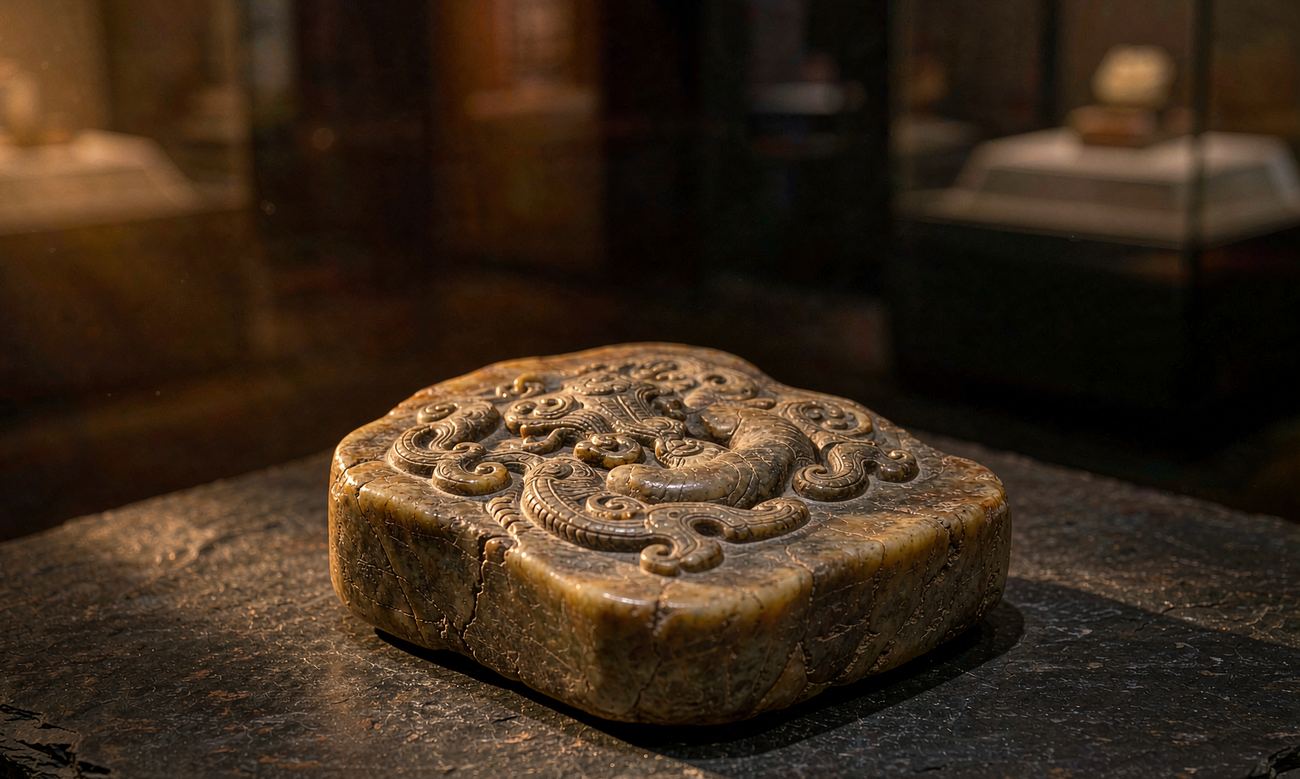
Neolithic artisans in Liaoning, China carve a human half-figure from talc, while Indus Valley craftsmen engrave steatite seals.
1590s
Powder for the face
Talc-based face powders become fashionable in European courts, beginning a cosmetic tradition that continues today.
Late 1800s
Industrial mining
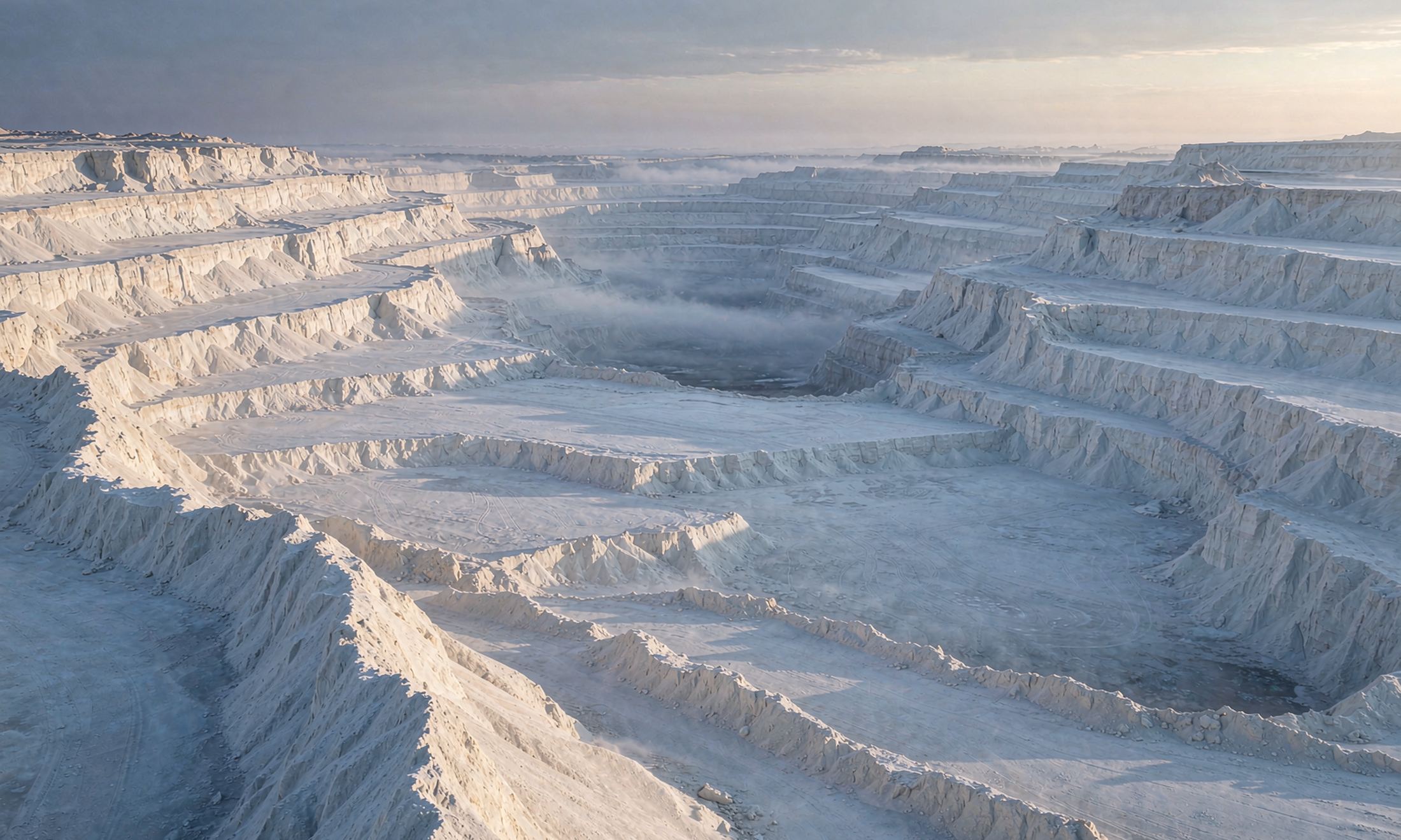
Large-scale mining begins in Italy, France and the United States to supply the paper, ceramics and rubber industries.
1894
Baby powder launched
Johnson & Johnson introduces talc baby powder, taking the mineral into hundreds of millions of households.
1930s–1960s
The plastics era
Talc is adopted as a filler and nucleating agent in polypropylene, opening its largest modern market.
2000s–today
Green, fine, traceable
Mine consolidation, jet milling, surface treatment and asbestos-free certification reshape the industry around purity and trust.
01
Prehistoric and ancient worlds
Archaeologists found a talc half-figure carved 5,000–6,000 years ago at the Houwaotun Neolithic site in Liaoning, China. In the Indus Valley, Mohenjo-Daro and Harappa craftsmen engraved steatite seals around 5,000 years ago, heating them to produce a hard white glaze. Ancient Egypt and the classical Mediterranean used talc for carving, wound treatment and cosmetic powder; Pliny the Elder described its greasy feel.
02
The word and the medicine
The name talc comes from the Arabic talq, meaning greasy. Shennong Bencao Jing listed talc as a medicinal mineral; Li Shizhen’s 16th-century Compendium of Materia Medica documented white, black, green and yellow varieties and recorded deposits across China. In Tang-dynasty China, talc stone was fired into cooking vessels.
03
From court fashion to consumer product
Around 1550, Catherine de’ Medici revived the fashion for powdered facial cosmetics across Europe. Talc entered household life in 1894 when it was introduced as baby powder and promoted worldwide. The 20th century brought flotation, micronisation and surface-treatment technologies that turned a soft rock into a precision industrial mineral.
04
Modern quality and safety era
From the late 20th century, asbestos-free testing, whiteness measurement, trace-metal control and full supply-chain traceability became standard. Today cosmetic and pharmaceutical grades are among the most tightly regulated mineral products in the world.
GlobalTalc is an independent guide and is not affiliated with the companies listed. Profiles are compiled from publicly available information.
Last updated: November 2026
The companies behind the mineral.
A curated directory of well-known talc producers and suppliers across Europe, Asia, the Americas and India. Every profile links to the company’s official website.